The Sydney Sweeney Jeans Ad: When Outrage Culture Ruins Everything
Dr. Andrea Lucas
12/16/2025
Dr. Andrea Lucas
12/16/2025
Sydney Sweeney recently opened up to People magazine about the firestorm that erupted over her American Eagle jeans campaign, and her response reveals something far more troubling than the ad itself: we've become a culture addicted to finding reasons to be offended.
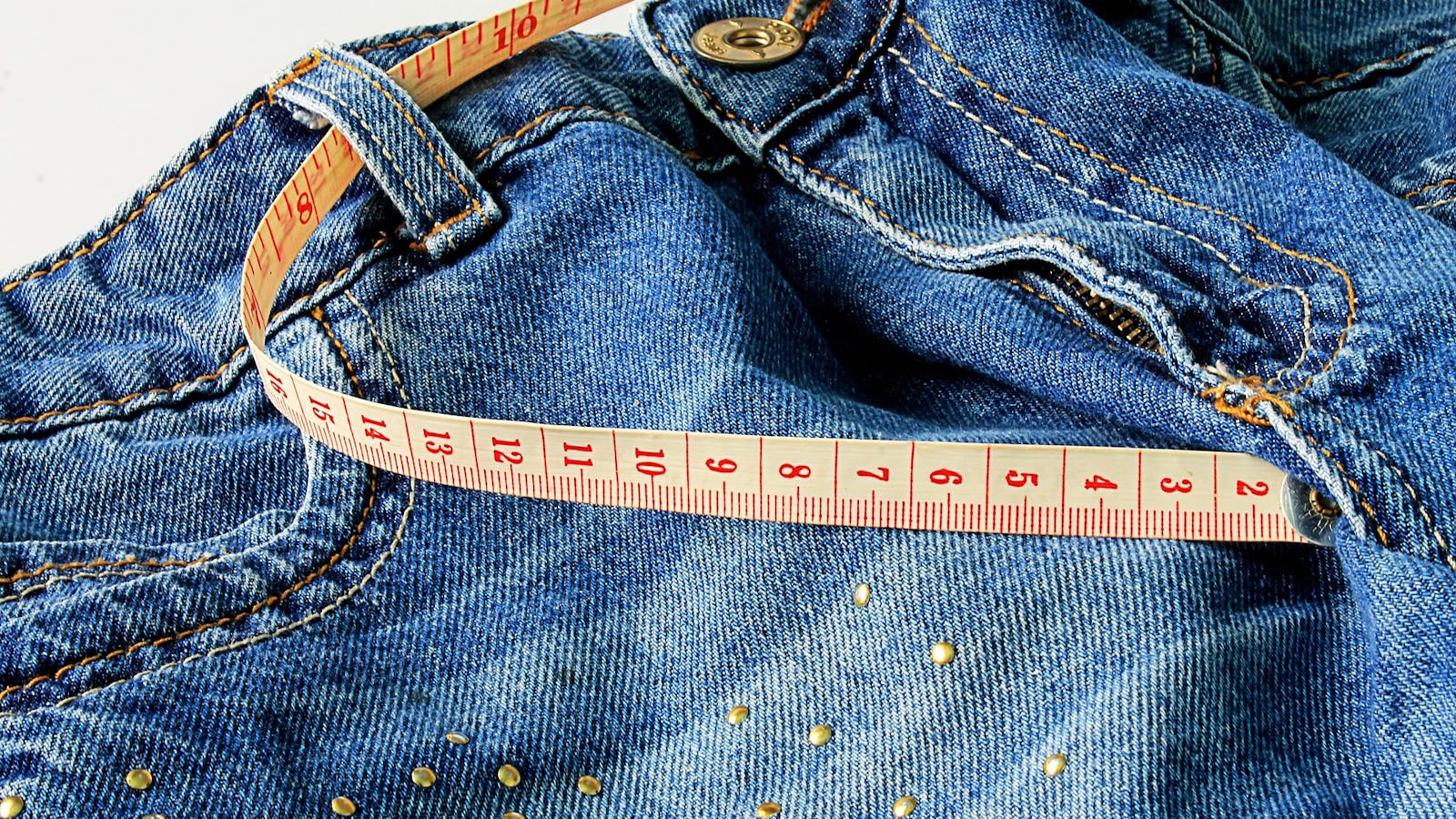
The controversy? Sweeney starred in an American Eagle campaign titled "Sydney Sweeney Has Great Jeans." Almost immediately, keyboard warriors took to the digital streets to accuse American Eagle and Sweeney of everything from white supremacy to promoting Nazi propaganda and eugenics. Why? Because "jeans" was apparently a play on "genes," and to be proud of one's looks is apparently to be racist.
American Eagle pushed back on the racism accusations, saying it was always just about the jeans. Despite calls for a boycott, the push was a win for the retailer. In fact, some pieces sold out.
The Emotional Toll of Manufactured Outrage
In her People interview, Sweeney admitted she was "honestly surprised by the reaction" and explained that she participated in the campaign simply because she loves the jeans and the brand. More importantly, she clarified that she doesn't "support the views some people chose to connect to the campaign" and that "many have assigned motives and labels to me that just aren't true."
The actress revealed something particularly telling: she initially stayed silent about the controversy because that had always been her approach to press, but she's come to realize that "my silence regarding this issue has only widened the divide, not closed it." It's a sobering indictment of our current cultural moment that a woman had to issue what amounts to a defense statement for appearing in a jeans advertisement.
When Everything Becomes a Battle
The Sydney Sweeney controversy isn't an isolated incident. It's symptomatic of a larger cultural disease where we've become so hypervigilant about finding offense that we've lost the ability to let things be. We're living in an era where wordplay in a clothing ad sparks accusations of promoting genocide, where comedians are afraid to tell jokes and where fashion brands must issue statements defending their advertising campaigns.
This collective hair-trigger sensitivity is destroying industries that depend on creativity, risk-taking and humor. Comedy has been particularly hard hit. Rainn Wilson, who played Dwight Schrute on NBC's The Office, recently stated that the beloved sitcom couldn't be done today the way it was two decades ago because of today's cultural-political media climate. Wilson even mentioned the Sweeney ad controversy directly, noting that in a culture where "Sydney Sweeney is doing a jeans ad and makes a pun about jeans and genes and is pilloried for white supremacy," a show like The Office simply wouldn't fly.
The Evolution of Wilson's Position
Here's where it gets particularly interesting: Wilson himself has been an outspoken progressive activist. He's changed his social media name to raise awareness about climate change and regularly speaks about social justice issues. Yet, even he has criticized left-leaning media for being too soft on the Biden administration while being overly harsh on Trump. Yet even Wilson—someone deeply embedded in progressive causes—recognizes that the culture has gone too far when it comes to policing speech and finding offense.
The irony is rich. Wilson has spent years advocating for the very social consciousness movements that have contributed to this hypersensitive environment, yet now he's acknowledging that The Office, the show that made him famous, couldn't exist in the world his political allies helped create. It's a perfect example of how good intentions—wanting to be more aware of harmful stereotypes and language—can metastasize into something counterproductive that stifles creativity and honest expression.
We Are What We Eat (But We're Also What We Choose to See)
There's validity to the concept that we are what we consume. The media we watch, the content we engage with and the narratives we accept all shape our worldview. But we've taken this principle to a destructive extreme. Instead of using our critical thinking to engage thoughtfully with content, we've become a society of offense-seeking missiles, scanning everything for potential violations of an ever-expanding list of unspoken rules.
The problem isn't that people are more conscious of genuine harm or discrimination. The problem is that we've lost all sense of proportion. A wordplay in a jeans ad is not promoting eugenics. A sitcom character behaving inappropriately is not an endorsement of that behavior—it's often a critique of it. Comedy that makes us uncomfortable often does so because it's holding up a mirror to real human flaws.
When everything is offensive, nothing is. When we treat a harmless pun the same way we'd treat actual hate speech, we dilute the meaning and impact of our objections. We become the boy who cried wolf, and when something genuinely harmful appears, our outrage has been so devalued that it carries no weight.
The Lost Wisdom of Our Parents
There's an old saying our parents and grandparents lived by: "If you can't say something nice, then don't say anything at all." It's advice that seems quaint in our social media age, where everyone has a platform to broadcast every fleeting thought and grievance. But perhaps it's time to resurrect this wisdom.
Not everything requires our commentary. Not every ad needs to be dissected for hidden meanings. Not every joke demands a response. Sometimes—and this might be revolutionary in 2025—we can simply scroll past, change the channel or choose not to engage with content that doesn't resonate with us.
The alternative is what we're experiencing now: a culture so consumed with finding reasons to be upset that we're strangling creativity across multiple industries. Fashion brands play it safe with boring campaigns. Comedians self-censor until their jokes have no edge. Television shows avoid any character flaw that might be misconstrued as endorsement.
The Cost of Constant Outrage
Sydney Sweeney's experience illustrates the human cost of this culture. She took a job promoting jeans—jeans that, it should be noted, benefited a domestic violence awareness charity—and found herself defending her character against accusations of promoting Nazi ideology. The absurdity would be laughable if it weren't so damaging.
American Eagle's stock initially jumped after the campaign launched, with the company betting on Sweeney's star power to boost sales. But the controversy forced them to issue defensive statements, turning what was a fun, playful campaign into a PR crisis. The domestic violence awareness message, a core purpose of the campaign, got completely lost in the manufactured outrage.
This is what we're doing to ourselves: taking well-intentioned efforts and suffocating them under layers of bad-faith interpretations and assumed malice. We're teaching people that creativity is dangerous, that playfulness will be punished and that the safest course is bland conformity.
Finding Our Way Back
Sweeney concluded her People interview with a hopeful note: "I hope this new year brings more focus on what connects us instead of what divides us." It's a sentiment we should all embrace.
We need to rediscover the ability to extend grace, to assume good intentions and to recognize the difference between actual harm and manufactured controversy. We need to stop treating every misstep as a cancellable offense and every creative choice as a political statement.
This doesn't mean abandoning our values or ignoring genuine instances of discrimination. It means developing the wisdom to distinguish between real problems and imagined ones. It means having enough confidence in our convictions that we don't need to see threats in every shadow.
Listen, most clothing ads these days are too risqué for my liking. I wasn't a super fan of Sweeney's ad to begin with. But, at the end of the day, it was just that: an ad. Sydney Sweeney did a jeans ad with a harmless pun. The Office made us laugh while critiquing the everyday prejudices and absurdities of workplace culture. Neither of these things should be controversial. The fact that they are tells us everything we need to know about how far we've drifted from reasonable discourse.
Maybe it's time we all took a collective breath, remembered our parents' advice about saying something nice or saying nothing at all and recognized that constantly searching for reasons to be offended is making us—and our culture—miserable. We're better than this. We just need to remember how to be.
The Christian Post community doesn't just scroll—they engage, share and support. When you advertise with us, you're doing more than marketing; you're building relationships with people who want to see you succeed. Explore Your Advertising Options Now.