Beyond the Click: Why Lead Nurturing Matters More Than Instant Conversions
CP Advertising
12/2/2025
CP Advertising
12/2/2025
In the digital marketing world, there's an obsession with immediate results. Marketers scrutinize conversion rates, celebrate every sale, and sometimes dismiss campaigns that don't produce instant transactions. But this narrow focus misses a fundamental truth about how people actually make purchasing decisions—especially for high-consideration products and services.
Not every website visit is meant to end with a "Buy Now" click. In fact, most shouldn't. Understanding the role of lead nurturing and the customer journey transforms how we measure success and allocate our marketing resources.
The Myth of the One-Touch Sale
Consider your own behavior as a consumer. When was the last time you bought something significant after seeing a single advertisement? Whether you're researching a new vehicle, selecting a ministry resource, or choosing a marketing platform, you likely engaged with multiple touchpoints before making a decision.
The marketing rule of seven suggests that prospects need to encounter your brand at least seven times before they're ready to buy. Modern research indicates this number may be even higher in our information-saturated environment. Yet many marketers still judge campaigns solely on immediate conversions, overlooking the critical awareness and consideration phases that precede every purchase.
This misconception creates two problems. First, it undervalues campaigns that successfully introduce prospects to your brand or move them closer to a decision without closing the sale immediately. Second, it can lead to premature abandonment of strategies that are working—they're just working at a different stage of the customer journey.
Understanding the Customer Journey
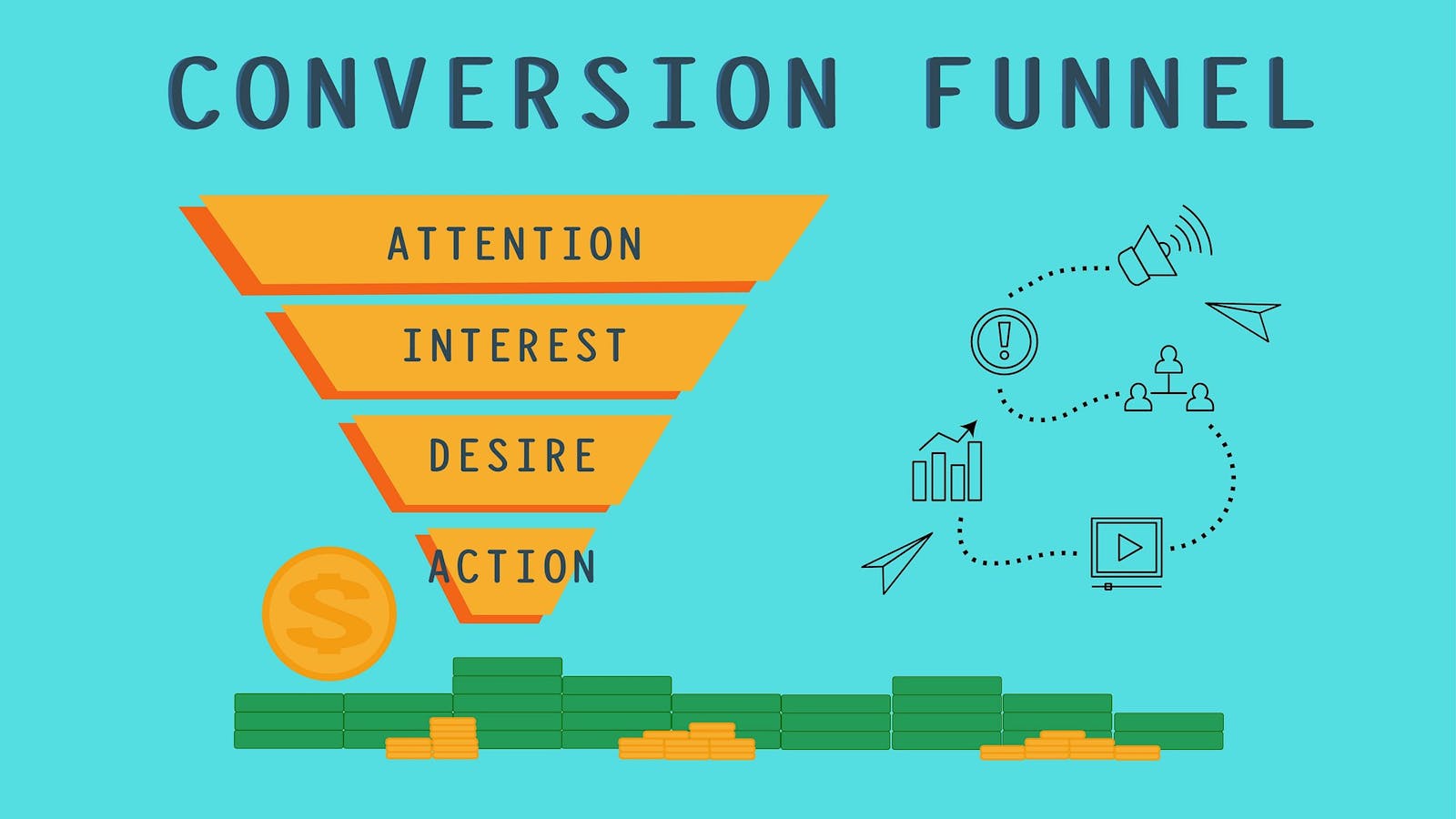
The traditional marketing funnel maps how prospects move from initial awareness through consideration to final decision. Each stage serves a distinct purpose:
Awareness Stage: At the top of the funnel, prospects are just discovering they have a problem or need. They may not even know your solution exists. Content at this stage educates and informs without pushing for a sale. A blog post about effective church communication strategies might introduce a church administrator to marketing concepts they hadn't considered. The goal isn't conversion—it's establishing your brand as a helpful resource.
Consideration Stage: Here, prospects know their problem and are evaluating potential solutions. They're comparing options, reading reviews, and seeking detailed information. A comparison guide or webinar serves this stage well. The website visitor might download a resource guide or sign up for a newsletter, actions that don't generate immediate revenue but indicate growing interest.
Decision Stage: Finally, prospects are ready to choose a specific solution. Testimonials, case studies, pricing information, and strong calls-to-action matter most here. This is where conversions happen, but only because the groundwork was laid in previous stages.
The critical insight is that different marketing touchpoints serve different stages. A social media ad might create awareness. A blog post might facilitate consideration. An email campaign might trigger the final decision. Each plays a vital role, even if only the last one generates a trackable conversion.
The Real Value of Non-Converting Touchpoints
When a prospect visits your website but doesn't make a purchase, that visit isn't wasted. It's part of a nurturing process that builds familiarity, trust, and preference over time.
Research shows that brand recall significantly influences purchasing decisions. When someone finally needs your service, they're more likely to choose a brand they've encountered multiple times over a completely unknown competitor—even if that competitor has a better immediate offer. Your awareness-stage content creates this familiarity.
Educational content also positions your organization as an authority. A ministry leader who reads three of your blog posts about digital evangelism may not hire you immediately, but when their church board approves a marketing budget six months later, you're the first call they make. That's lead nurturing in action.
Similarly, engagement builds relationships. Someone who attends your webinar, even without converting, has invested time learning from you. They've moved from cold prospect to warm lead. They're exponentially more likely to convert than someone who's never interacted with your brand—but that conversion might happen weeks or months later through a completely different channel.
Measuring What Really Matters
If immediate conversions aren't the only metric that matters, what should marketers track? A more comprehensive approach considers the full customer journey:
Engagement Metrics: Time on site, pages per session, return visitor rates, and content downloads all indicate growing interest. Someone who visits your blog five times in two weeks is clearly nurturing themselves through your content, even without converting yet.
Lead Quality Over Lead Quantity: Not all email signups are equal. Someone who downloads a detailed resource guide is typically more qualified than someone who enters a general giveaway. Track which lead magnets produce eventual conversions, even if those conversions happen months later.
Assisted Conversions: Analytics tools can show which touchpoints influenced a conversion without being the final click. That Facebook ad someone saw two months ago might have introduced them to your brand, making the eventual Google search and conversion possible. Give credit where it's due.
Long-Term Value: Calculate customer lifetime value rather than just initial transaction value. The prospect who takes three months to convert but becomes a loyal, long-term client is far more valuable than the impulse buyer who never returns.
Practical Applications for Christian Marketers
For organizations serving the faith community, lead nurturing is particularly important. Faith-based organizations and ministries often make careful, prayerful decisions about partnerships and resources. Rushing prospects toward premature decisions isn't just bad marketing—it's inconsistent with how these organizations operate.
Create content that serves each stage of the journey. Awareness-stage blog posts about common ministry challenges, consideration-stage guides comparing different approaches, and decision-stage testimonials from similar churches all play important roles. Don't expect every piece of content to close sales.
Use email marketing to stay in touch with prospects over time. A monthly newsletter keeps your organization top-of-mind without being pushy. When prospects are ready to move forward, you're already a trusted voice.
Be patient with attribution. If your nonprofit consulting firm's blog attracts readers who don't inquire about services immediately, that's okay. You're building authority and relationships. Some of those readers will convert—just not on your preferred timeline.
The Bottom Line
Closing the sale is important, but it's not the only important part of marketing. Every touchpoint in the customer journey matters, from the first awareness-building blog post to the final testimonial that seals the deal. When we recognize that different marketing activities serve different purposes, we make better strategic decisions and create more accurate success metrics.
Your website, blog, social media presence, and email campaigns all work together to nurture prospects from initial awareness through final conversion. Some touchpoints create awareness. Some build consideration. Some trigger decisions. All contribute to revenue, even if only the last one gets credit in traditional analytics.
The most successful marketers understand this reality. They create comprehensive strategies that serve prospects at every stage, measure success holistically, and exercise patience as leads mature over time. They know that the website visit that doesn't convert today might be the reason someone converts tomorrow—and that's not just acceptable. It's exactly how effective marketing works.
Start reaching engaged, faith-driven audiences today—partner with The Christian Post to grow your impact with purpose.